Signs Your Sidewalks, Driveways, or Patios Need Resurfacing
Noticing cracks, uneven surfaces, or fading on your sidewalk, driveway, or patio can indicate the need for resurfacing, and local service providers can restore their safety and appearance.
Property owners noticing certain signs on their sidewalks, driveways, or patios may find it beneficial to explore resurfacing options. Cracks that widen over time, uneven surfaces, or areas where the material appears worn or faded can indicate underlying issues that affect both safety and curb appeal. Addressing these concerns early with the help of experienced local contractors can prevent further deterioration, reduce repair costs, and restore the functionality and appearance of outdoor surfaces.
Understanding when resurfacing is necessary can save property owners from more extensive repairs down the line. Common indicators include persistent cracks, surface spalling, or a rough texture that makes walking or driving uncomfortable. Local service providers who specialize in sidewalk, driveway, or patio resurfacing can assess these signs and recommend appropriate solutions. Keeping outdoor surfaces in good condition not only enhances the property's value but also ensures safety and longevity for years to come.
- Sidewalk resurfacing - cracks, uneven surfaces, or spalling can indicate the need for professional resurfacing by local contractors to ensure safety and curb appeal.
- Driveway resurfacing - visible potholes, deep cracks, or surface deterioration often signal that local service providers should evaluate and restore the driveway’s integrity.
- Patio resurfacing - worn or uneven patio surfaces with loose or cracked paving may require expert resurfacing to improve appearance and functionality.
- Sidewalk resurfacing - signs of tripping hazards or extensive cracking suggest that local pros can help renew the sidewalk for safety and compliance.
- Driveway or patio resurfacing - surface discoloration, fading, or surface damage can be addressed by local contractors to refresh and reinforce the area.
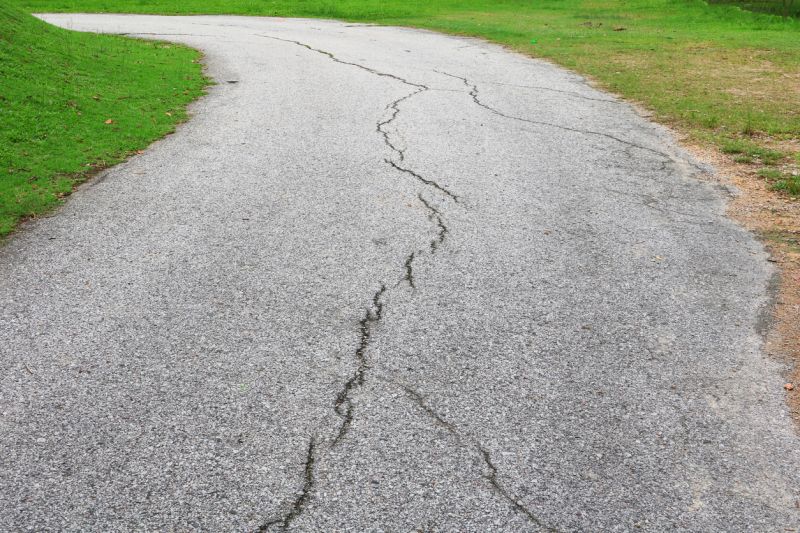
When homeowners search for signs their sidewalks, driveways, or patios need resurfacing, they are typically noticing visible indications that the surface has experienced wear or damage over time. Common signs include cracks that run across the concrete, uneven or sinking areas, and surface pitting or spalling. These issues not only affect the visual appeal of outdoor spaces but can also pose safety hazards, such as tripping risks. Recognizing these signs early can help property owners determine whether a resurfacing project is necessary to restore the appearance and safety of their paved surfaces.
The problems associated with aging or damaged sidewalks, driveways, and patios often relate to structural integrity and aesthetic appeal. For example, cracks and holes can develop due to ground movement, temperature fluctuations, or heavy use. Over time, these issues may worsen, leading to larger sections of the surface breaking apart or becoming unstable. Resurfacing offers a practical solution to repair surface imperfections without complete replacement, making it an attractive option for homeowners looking to extend the life of their outdoor surfaces. Additionally, those planning to upgrade their outdoor spaces might consider resurfacing to create a smoother, more uniform appearance that enhances curb appeal.
Properties that typically come up in discussions about resurfacing include residential homes, apartment complexes, and commercial establishments with outdoor seating or walkways. Residential properties often feature driveways and patios that see frequent use, making them prone to surface deterioration. Commercial properties, such as storefronts or community centers, may have sidewalks or patios that require attention to maintain safety standards and visual standards. No matter the property type, the focus is on surfaces that are exposed to regular foot or vehicle traffic, which accelerates wear and tear. Local contractors who specialize in resurfacing can assess the specific condition of these surfaces and recommend appropriate solutions to improve durability and appearance.
Understanding the signs that indicate a need for resurfacing helps homeowners and property managers plan for repairs proactively. Recognizing issues like widespread cracking, surface spalling, or noticeable sinking can prevent more costly repairs down the line. These signs often prompt the need for a professional assessment, where local service providers can evaluate the extent of damage and suggest suitable resurfacing options. Whether for a driveway that has become uneven or a patio with surface deterioration, these specialists are equipped to handle projects that restore safety, functionality, and visual appeal. Connecting with experienced contractors ensures that surfaces are properly resurfaced to withstand future use and environmental challenges.
Concrete Repair and Restoration - This project involves fixing cracks, spalling, and surface damage, which are common signs that sidewalks, driveways, or patios need resurfacing. Local contractors can help restore the surface for improved appearance and safety.
Stamped Concrete Overlays - Applying decorative overlays can refresh worn or faded surfaces, providing a new look that can conceal existing damage and extend the lifespan of the existing concrete.
Concrete Sealing and Waterproofing - Sealing projects help protect surfaces from moisture and freeze-thaw damage, which are often linked to signs that resurfacing is needed to prevent further deterioration.
Drainage and Slope Corrections - Adjusting drainage patterns and slopes can address pooling or uneven surfaces, which may be early indicators that resurfacing or leveling is necessary for safety and longevity.
Paver Installation and Repair - Installing or fixing paver surfaces can serve as an alternative to traditional concrete resurfacing, especially in areas showing surface wear or shifting signs.
Surface Leveling and Grinding - This process smooths out uneven or raised areas, making it easier for local contractors to prepare surfaces for resurfacing or to improve safety and aesthetics.
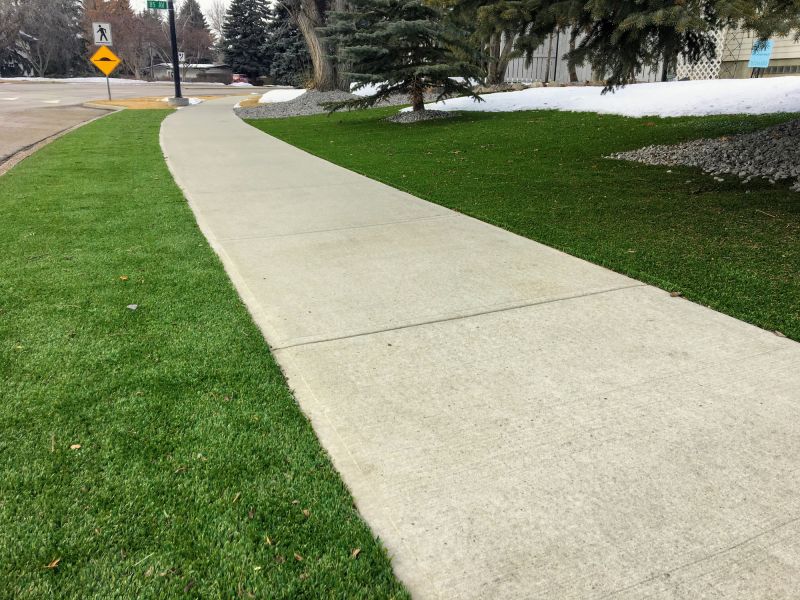
When evaluating service providers for resurfacing sidewalks, driveways, or patios, it is important to consider their experience with similar projects. Contractors who have a history of working on surfaces comparable to the existing material and condition can often provide more reliable assessments and effective solutions. Homeowners should inquire about the types of resurfacing jobs completed in the past and seek details about the outcomes, ensuring the contractor has a practical understanding of the challenges and best practices specific to these surfaces.
Clear, written expectations are essential when comparing local contractors for resurfacing work. A reputable service provider should be able to outline the scope of work, materials to be used, and the expected results in a straightforward manner. This transparency helps homeowners understand what to anticipate and provides a basis for comparing proposals. Detailed documentation also minimizes misunderstandings and ensures that both parties are aligned on project goals from the outset.
Reputable references and good communication are key indicators of a reliable contractor. Homeowners are encouraged to ask for references from previous clients who had similar resurfacing projects completed. Speaking with past customers can reveal insights into the contractor’s professionalism, punctuality, and quality of work. Additionally, service providers who communicate clearly and promptly demonstrate a commitment to customer satisfaction and make it easier to address questions or concerns during the project. These factors collectively contribute to a smoother, more predictable resurfacing experience.
Property owners often search for signs your sidewalks, driveways, or patios need resurfacing when they are planning practical projects around their homes and businesses. Local pros provide Sidewalk, Driveway, or Patio Resurfacing services for everyday jobs and straightforward project options.
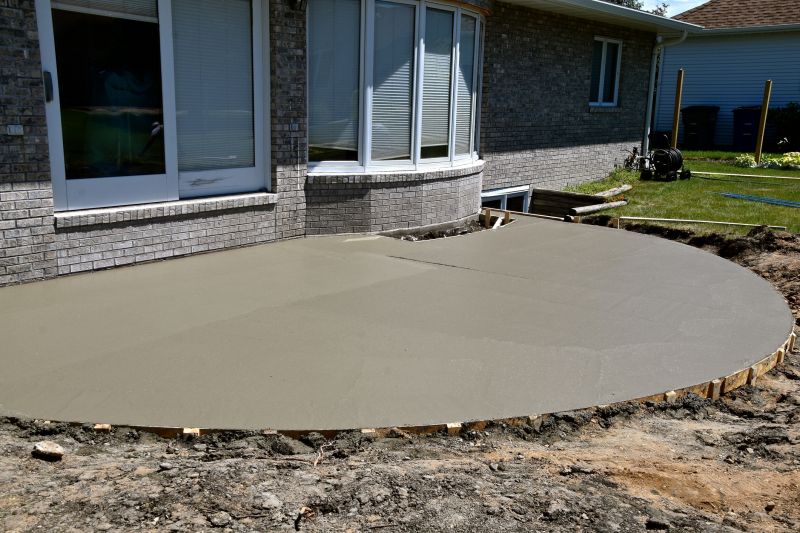
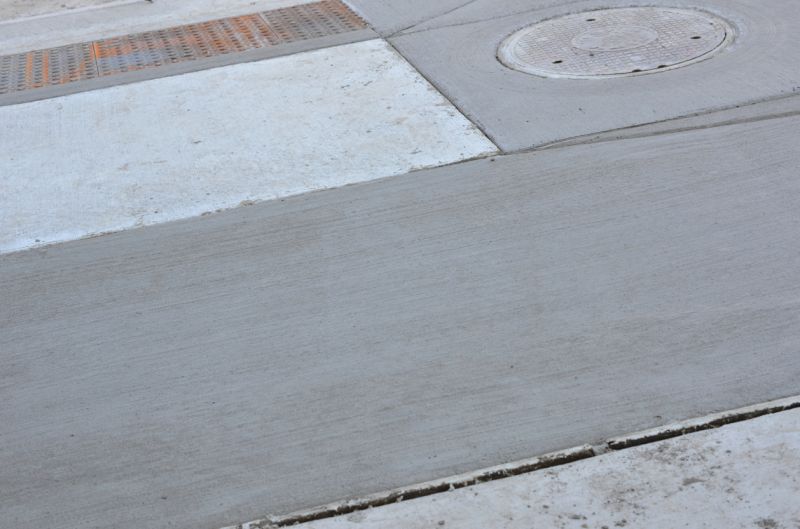
Property owners often notice cracks, chips, or uneven surfaces on their sidewalks, driveways, or patios, which can be signs that resurfacing may be needed. Over time, regular use, weather conditions, and ground shifts can cause these surfaces to develop visible damage or become less level, impacting both safety and curb appeal. When these issues begin to appear, local contractors who specialize in surface restoration can assess the extent of the damage and recommend appropriate resurfacing solutions to restore the area’s appearance and functionality.
Additionally, a worn or faded surface can be a sign that a refresh is in order. Fading colors, staining, or surface deterioration not only diminish the visual appeal but may also lead to further damage if left unaddressed. Property owners who observe such signs might consider reaching out to experienced service providers who can perform resurfacing work to renew the surface’s look and improve its durability. These local experts can help determine whether resurfacing is the right step to extend the life of sidewalks, driveways, or patios and maintain the overall value of the property.
What are common signs that sidewalks, driveways, or patios need resurfacing? Visible cracking, uneven surfaces, or significant spalling are key indicators that resurfacing may be necessary to restore safety and appearance.
How can I tell if my driveway or patio has structural damage? If there are large or deep cracks, sinking sections, or areas that hold water, these are signs that the surface may require resurfacing by local contractors.
What indicates surface deterioration on sidewalks, driveways, or patios? Fading, surface pitting, or a rough texture can suggest that the existing surface has worn down and may benefit from resurfacing services.
Are there visual cues that suggest resurfacing is needed for outdoor concrete surfaces? Discoloration, surface scaling, or widespread cracking are common visual cues pointing to the need for professional resurfacing.
When should I consider resurfacing instead of replacing my outdoor concrete surfaces? Resurfacing is typically recommended when damage is superficial or localized, and the underlying structure remains sound, making it a practical alternative to full replacement.
Cracks and Gaps - Visible cracks or gaps in sidewalks, driveways, or patios may indicate the need for resurfacing to restore safety and appearance, and local contractors can provide the necessary repairs.
Uneven Surfaces - If surfaces feel uneven or wobble when walked on, resurfacing services can help level out the area for improved stability and aesthetics.
Surface Deterioration - Signs of surface deterioration like spalling or pitting suggest that resurfacing can protect underlying materials and extend the lifespan of the area.
Persistent Stains or Discoloration - Persistent stains or discoloration that cleaning can’t remove may be addressed through resurfacing to refresh the look of sidewalks, driveways, or patios.
If you are thinking about signs your sidewalks, driveways, or patios need resurfacing for a property, this guide is meant to help you understand this topic, the typical project types, and how different options might fit your plans.
When you are ready, you can use the quote form on this page to share a few details about your project. From there, local pros can review the basics and follow up with options that match what you have in mind.